
Call: 08045479137
 Send Inquiry
A GX Colour Mark Sensor is a compact photoelectric sensor used to detect color marks or contrast differences on surfaces. It is commonly used in packaging, printing, labeling, and automatic inspection systems to identify printed marks or colored labels with high accuracy.
The sensor works by emitting light (usually red, green, or blue LED) onto a surface and measuring the reflected light intensity. When the sensor detects a specific color mark or contrast difference compared to the background, it produces an electrical signal indicating that the mark has been detected.
GX colour mark sensors are designed for high-speed and precise detection, even when objects are moving quickly on conveyors. Their compact size allows them to be installed in small spaces on industrial machines.
Key Features
High-precision color or contrast detection
Fast response time for high-speed production lines
Compact and lightweight design
Stable detection even on glossy or reflective surfaces
Adjustable sensitivity for different colors
Detection method: Optical color/contrast sensing
Light source: LED (Red / Green / Blue)
Response time: Very fast (microseconds to milliseconds)
Power supply: 1224 V DC
Output: NPN or PNP transistor output
Packaging machines for detecting printed registration marks
Labeling machines for position control
Printing industry for mark detection
Automatic cutting and sealing machines
Quality inspection systems
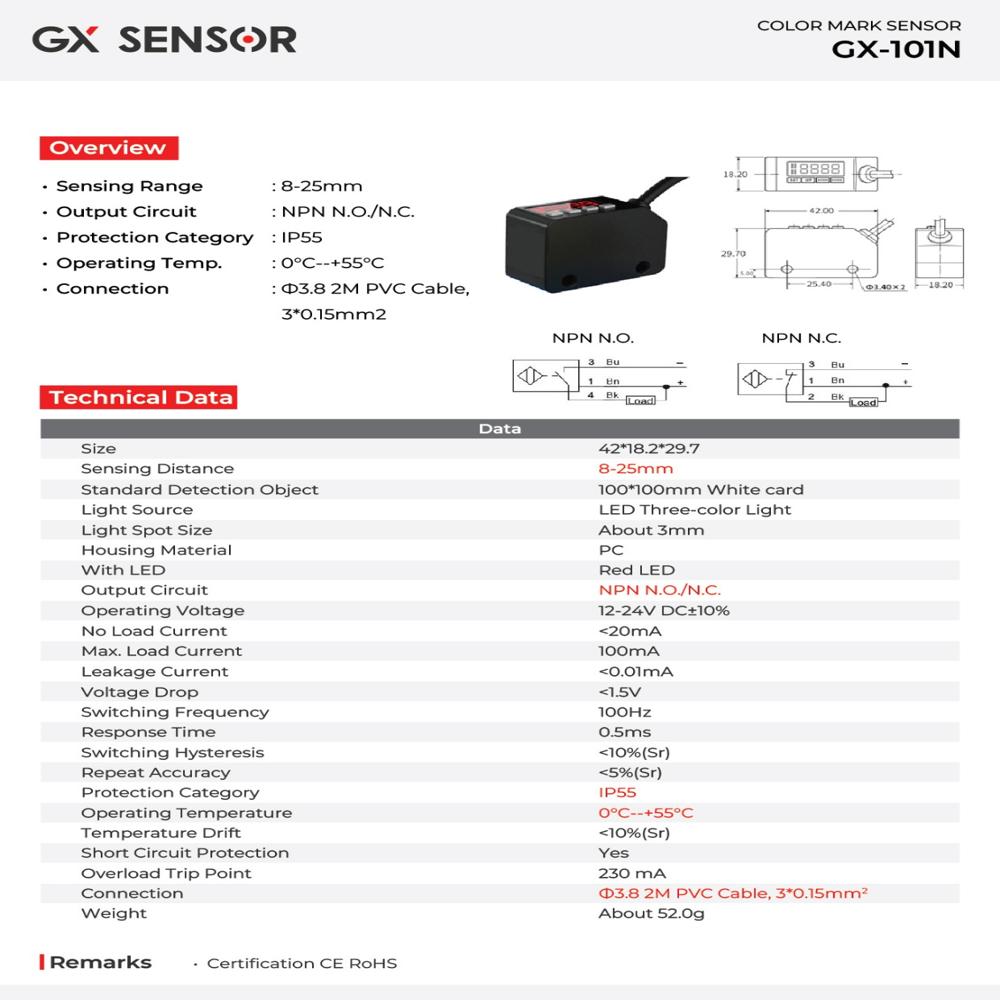

Price:

Price 530.0 INR / Piece
Minimum Order Quantity : 1 Piece
Type : Proximity Sensor
Theory : Inductance Sensor
Accuracy : 99.9 %
Output : Digital Sensor
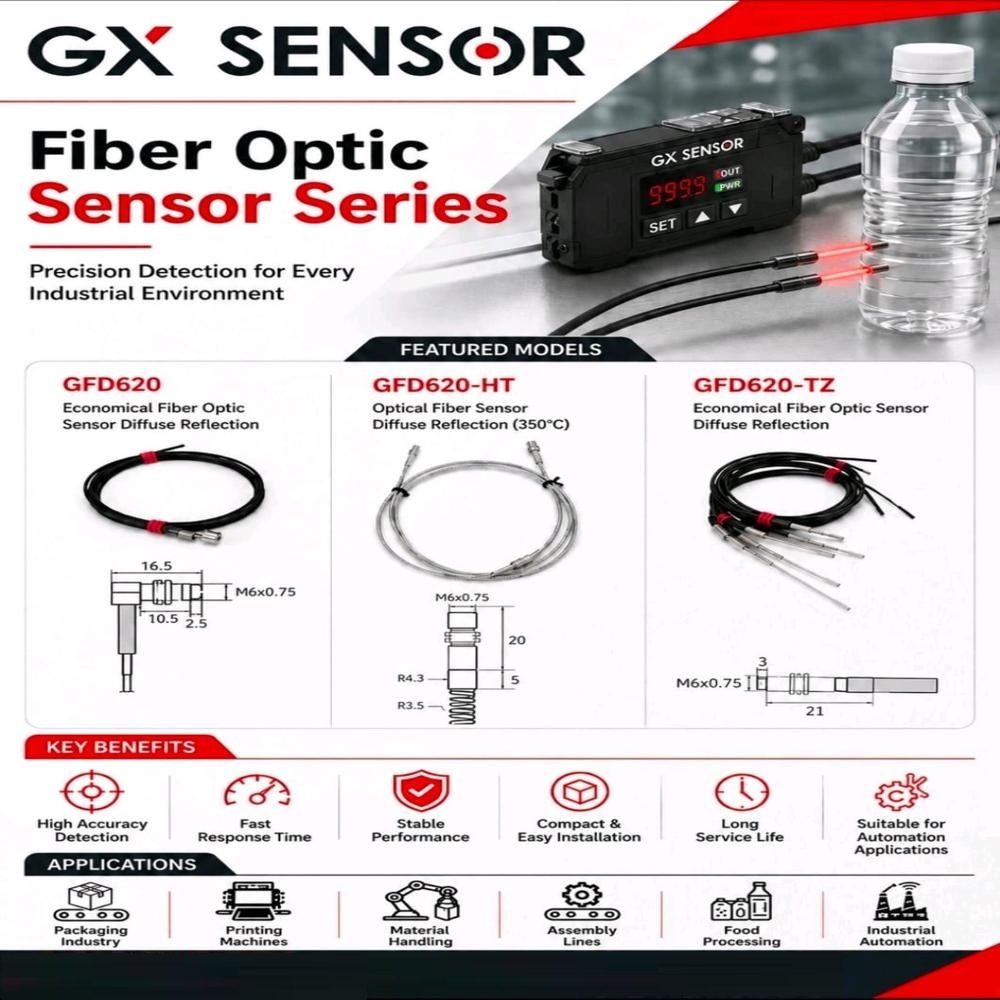
Price 500.0 INR / Piece
Minimum Order Quantity : 1 Piece
Type : Fiber Optic Sensor
Theory : Other
Accuracy : Highprecision detection suitable for miniature object sensing
Output : Other, NPN/PNP open collector
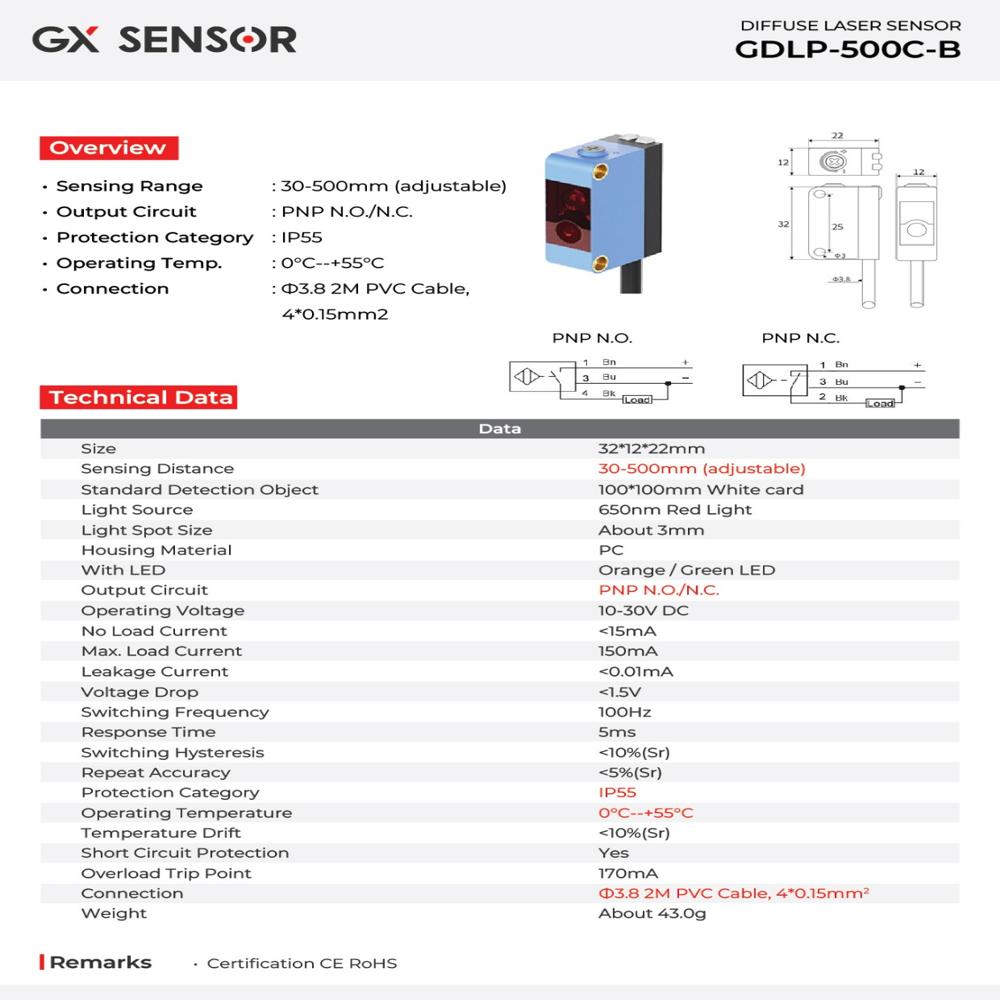
Price 500.0 INR / Piece
Minimum Order Quantity : 1 Piece
Type : Laser LED diffuse type photoelectric sensor
Theory : Other
Accuracy : High accuracy, typically within 1% F.S.
Output : Other, NPN (NO+NC), or PNP (Depending on model)
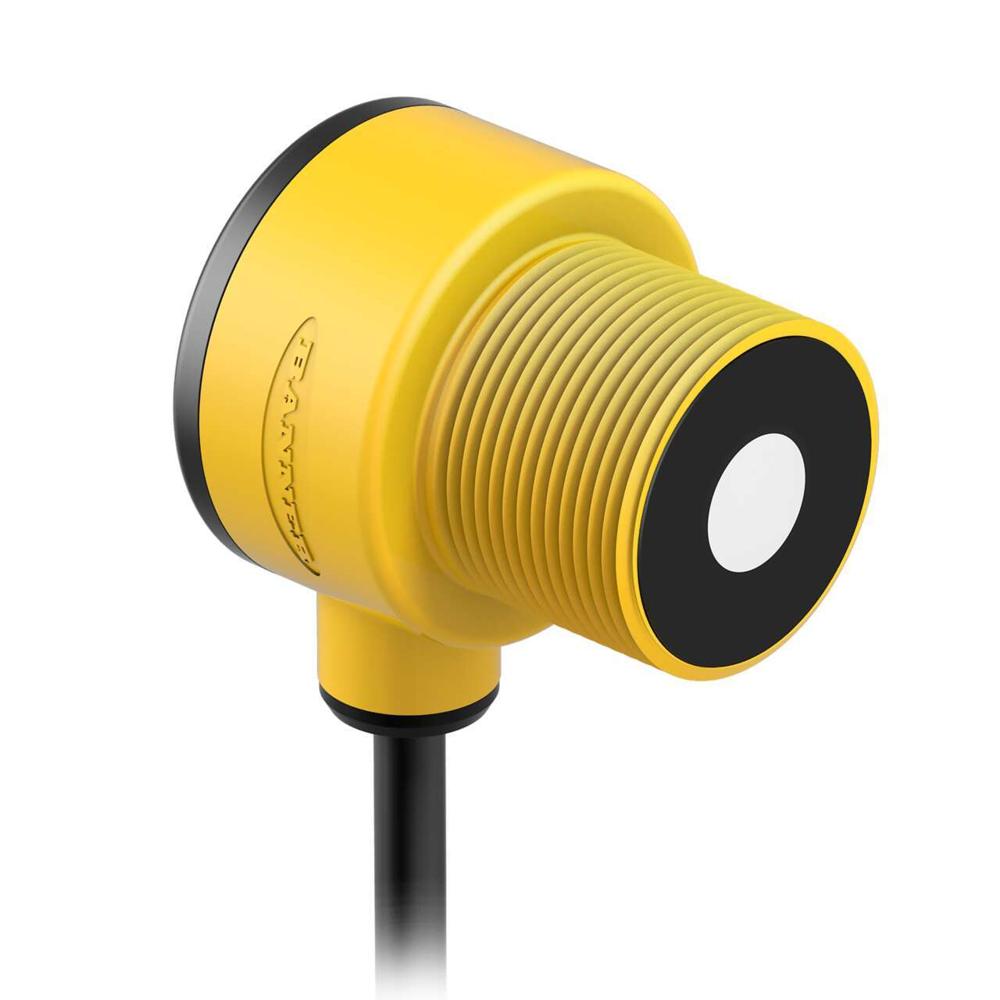
Price 2998.0 INR / Piece
Minimum Order Quantity : 1 Piece
Type : Ultrasonic Proximity Sensor
Theory : Other, Ultrasonic Sensing Principle
Accuracy : 0.5% of full scale
Output : Other, Analog and Discrete (PNP/NPN)
GST : 24AALCG4096N1Z0


 Send Inquiry


 Send Inquiry


 English
 Spanish
 French
 German
 Italian
 Chinese (Simplified)
 Japanese
 Korean
 Arabic
 Portuguese